What Advocacy Advertising Has To Do That Candidate Ads Do Not

Advocacy advertising sells an idea rather than a person. There is no face on the yard sign and no biography to fall back on, which means the message has to carry the whole weight on its own. That is exactly the condition audio is built for. A listener with nothing to look at is a listener paying attention to words, tone and the voice saying them.
The second difference is the calendar. A candidate campaign ends on election day. A 501(c)(4), a coalition or a trade association is working the same issue for years, which changes what good creative looks like. Advocacy spots are built to be reused, re-tagged and refreshed across long flights instead of burned through in a six week sprint.
Ballot measure and bond campaigns sit between the two. They have a hard deadline like a candidate race but they are arguing an idea like an advocacy group, and ideas need repetition before a voter is willing to mark yes or no on something they only half understand. Audio delivers that repetition affordably across a long flight, which is why ballot committees keep coming back to it.
Why it matters: issue advocacy ads have to explain something before they can persuade, and explanation is a strength of audio rather than a limitation.
Issue Advocacy Ads We Produce
Issue awareness spots
The first job is usually definition. What the problem is, who it affects and why now. Written plainly, without jargon, and cast with a voice that sounds like a person rather than a press release.
Ballot measure and bond spots
Yes or no campaigns need the measure number, the plain language meaning and one reason, repeated. We write to that structure and produce versions that swap the reason without a new session.
Call to action spots
Call your representative, sign the petition, show up at the hearing, text a keyword. A single specific action per spot, placed where a distracted listener can still catch it.
Testimonial and affected voice spots
The nurse, the farmer, the parent, the veteran. Advocacy lives or dies on credibility and a real affected voice does more for it than any amount of narration.
Coalition and member spots
Versions tagged for each partner organisation in a coalition, produced in one batch so the whole coalition sounds coordinated rather than assembled.
Legislative session spots
Short flights aimed at a specific chamber, committee or vote window, written to be produced fast and pulled the moment the vote happens.
Reaching An Issue Aligned Audience, Not A Whole Market
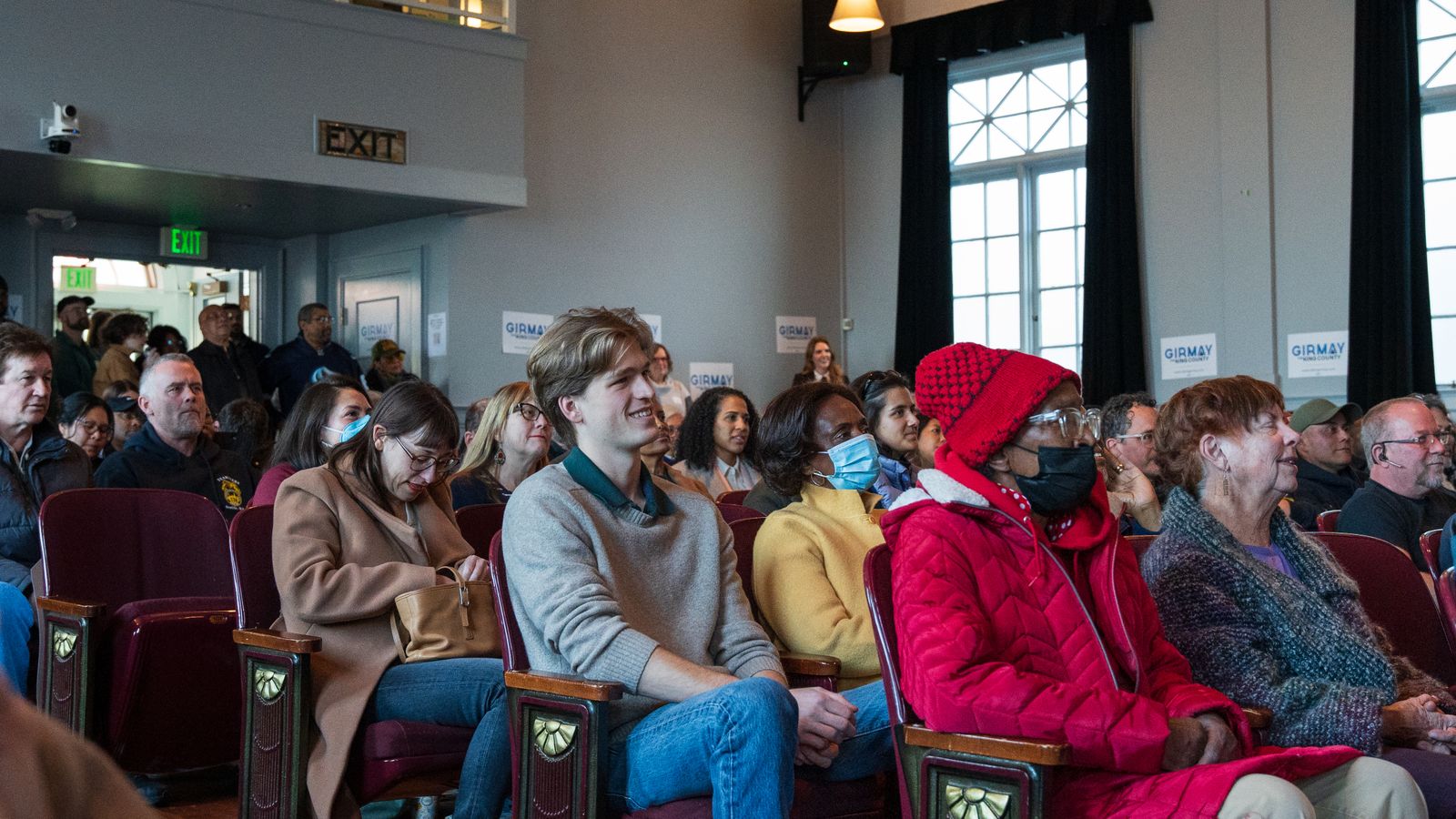
The audience for an advocacy campaign is rarely a whole city. It is the households inside a bond district, the voters in the counties a bill affects, or the listeners whose interests suggest they already care about the issue. Broadcast radio cannot make those distinctions. Streaming audio can, because each ad is delivered to an identified listener rather than transmitted to a signal area.
Through our in-house media desk an advocacy buy can be built on zip codes, counties, cities, congressional districts or states, and layered with age, income, household composition, language, podcast topic and hundreds of interest and behaviour signals. For ballot committees, party affiliation and partisan lean are available as segments too, which matters when a measure polls very differently across the two.
| Layer | What it does for an issue campaign |
|---|---|
| District or county list | Confines a bond or measure buy to the jurisdiction that actually votes on it. |
| Interest and behaviour signals | Reaches listeners whose habits suggest an existing affinity for the issue. |
| Podcast topic and genre | Puts an issue spot inside news, politics, health or local programming where the subject already fits. |
| Household and income | Points a school or housing message at the households it actually affects. |
| Language | English and Spanish audiences reached with native reads rather than translations. |
| Long flight scheduling | Spreads a year round budget thinly enough to sustain frequency without exhausting it in a month. |
The underlying mechanics are explained on our zip code targeting page and the political ads hub. There is a fuller treatment in our guide to advocacy advertising.
Budgets That Suit Nonprofit And Coalition Work
Advocacy organisations rarely have candidate campaign budgets, and the media side reflects that. Streaming political inventory is sold at fixed rates with no large market minimum to clear, so a county level bond campaign or a state legislative push can run a real schedule without competing for airtime at metro broadcast prices.
On the production side, pricing is quoted per spot with package rates for organisations producing several versions, several languages or a coalition set. Script writing or script polish, voice talent from a roster of more than five hundred, licensed music, sound design and broadcast mastering are included. Nonprofits running recurring campaigns usually batch a year of creative at once, which is the cheapest way to do it. Current package details are on the pricing page.
Advocacy Advertising Questions We Get
What is advocacy advertising?
Advocacy advertising promotes a position on an issue rather than a product or a candidate. It is used by 501(c)(4)s, trade associations, unions, coalitions and ballot committees to build awareness of a problem, shift opinion on it, or drive a specific action such as contacting a legislator or voting on a measure.
Are issue ads treated as political ads by the platforms?
Frequently yes. Most major audio platforms apply their political advertising policies to issue and advocacy creative, which means ad review before the spot can run, fixed rate pricing instead of dynamic bidding, and disclosure requirements that vary by publisher and market. Plan a day of margin for review.
Do we need a disclaimer on an issue ad?
Often, and the requirement depends on the jurisdiction, the sponsor and whether the ad mentions a candidate or a ballot measure. You supply the language your counsel approves and we build it into the spot so it is clearly audible. We do not advise on what it has to say.
Can one spot serve a whole coalition?
Usually the smartest approach is one script with tagged endings, produced as a batch. Each partner organisation gets a version that names them, the body of the spot stays identical, and the coalition sounds coordinated instead of fragmented.
How long should a ballot measure spot be?
Sixty seconds early in the flight, when the measure still needs explaining, and thirty seconds later once the idea has landed and the job is repetition. Fifteen second reminders work in the final week alongside the longer spots.
Other Political Audiences We Produce For
Different organisations on the ballot have different problems. Each page below covers one of them in detail.
Candidates & Campaign Committees
Name ID, issue, contrast and GOTV spots for federal, state and municipal candidates.
See the page ›PACs, Super PACs & Party Committees
Independent expenditure and coordinated messaging produced at volume across many races.
See the page ›Campaign Managers & Consultants
White label political audio production for consulting firms and campaign management companies.
See the page ›Political Advertising Agency Services
Creative plus placement across streaming, podcasts and local radio through our in-house media desk.
See the page ›Have an issue campaign to get on the air?
Tell us the issue, the jurisdiction and the window. We will come back with a quote and a plan for reaching the people it actually affects.
GET A QUOTESee also the political ads overview and our guides to advocacy advertising and writing a political audio script.
Amazing Audio Ads provides audio production services and media placement services. We do not provide campaign finance legal advice, compliance guidance or legal counsel on campaign finance law. Clients are responsible for ensuring ad content and disclaimers comply with applicable federal, state and local election laws.